

Tasting Notes:
95 points Vinous
The 2003 Dom Pérignon is in a gorgeous place right now. To be sure, it is a powerful Champagne that reflects the personality of a year marked by frost, that took out 70% of the Chardonnay, and then record heat and drought over the summer. The 2003 is just starting to head into its first plateau of maturity. Brioche, baked apple tart, lemon confit and marzipan build into the rich, layered finish. (AG)
93 points Decanter
Review Date: 11/2018
2003 was a controversial vintage in Champagne because of the intense summer heat in Europe that year. For Richard Geoffroy, this was the most extreme and challenging vintage in his 30-year career at Dom Perignon. The heat meant the vines began to shut down, while the sugars were moving off the scale, so he took the decision to pick very early. In doing so, he saved the day. ‘For me, this was a seminal vintage and gave us confidence that we could make good wines in warm years like ’06 and ’09,’ says Geoffroy. The acidity is certainly soft and languorous here, with a full, ripe and densely textured palate displaying a spectrum of flavours ranging from cappuccino to bruised apple, cream and caramel, followed by a savoury edge and a pleasing bitterness on the finish. (JS)
93 points Wine Advocate
Review Date: 03/2019
The 2003 Dom Pérignon is maturing very gracefully in bottle, wafting from the glass with aromas of smoke, bread dough, waxy lemon rind and confit citrus. On the palate, the wine is ample, vinous and full-bodied but retains excellent definition, and it’s structured around chewy dry extract from mature skins, which compensates for its comparative lack of acidity. It will be interesting to follow its evolution over the coming decade. (WK)
Cult Wines International Notes:
Named after the 17th-century Benedictine monk who served as the cellar master of the Abbey of Hautvillers, Dom Pérignon is the prestige cuvée of Moët & Chandon and a pioneer of the vintage-only Champagne philosophy. While legendary accounts often mythologize “Dom” Pierre Pérignon as the inventor of sparkling wine, his true legacy lies in his rigorous advancements in viticulture, the art of blending (assemblage), and the development of the “coquard” press to produce clear white wine from red grapes. The brand was officially launched in 1936 with the 1921 vintage, establishing a standard for excellence that dictates a vintage will only be declared if the harvest meets the house’s exacting aesthetic. Under the long tenure of former Chef de Cave Richard Geoffroy, the house solidified its reputation for producing wines that balance intensity with a signature reductive, “smoky” minerality, ensuring that each release is a singular reflection of its specific growing season.
The 2003 vintage remains one of the most remarkable and controversial chapters in the history of the house, often described as a year that “changed everything” in Champagne. The season was defined by brutal climatic extremes, beginning with a severe spring frost that decimated nearly 70% of the Chardonnay crop in the Côte des Blancs, followed by a historic, scorching August heatwave. Facing the earliest harvest since 1822 and grapes with unprecedented sugar levels and low acidity, many houses opted not to produce a vintage at all. However, Dom Pérignon embraced the challenge, with Geoffroy famously taking the risk to increase the Pinot Noir proportion to 62%—the highest in the house’s history at the time—and allowing the juices to oxidize slightly in the press to manage the imposing tannic structure. The resulting wine is a powerful, “physical” Champagne characterized by its rich, vinous texture and notes of baked apple, dried apricot, and a persistent saline finish. Now entering its peak maturity, the 2003 stands as a triumph of technical intuition over extreme nature.
Bottle Size:
750 mL
Storage History:
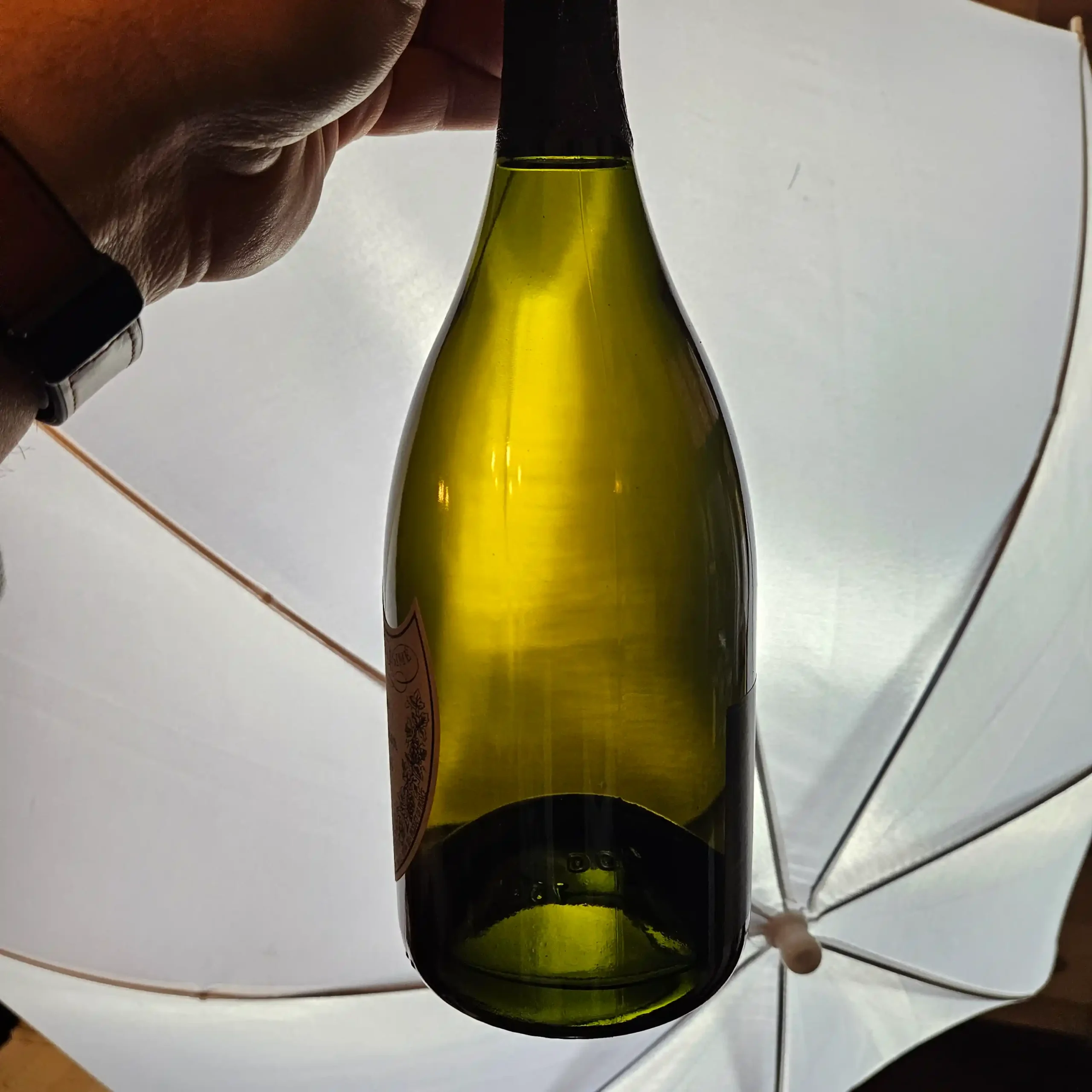
Always stored properly in a climate-controlled cellar.
Condition:
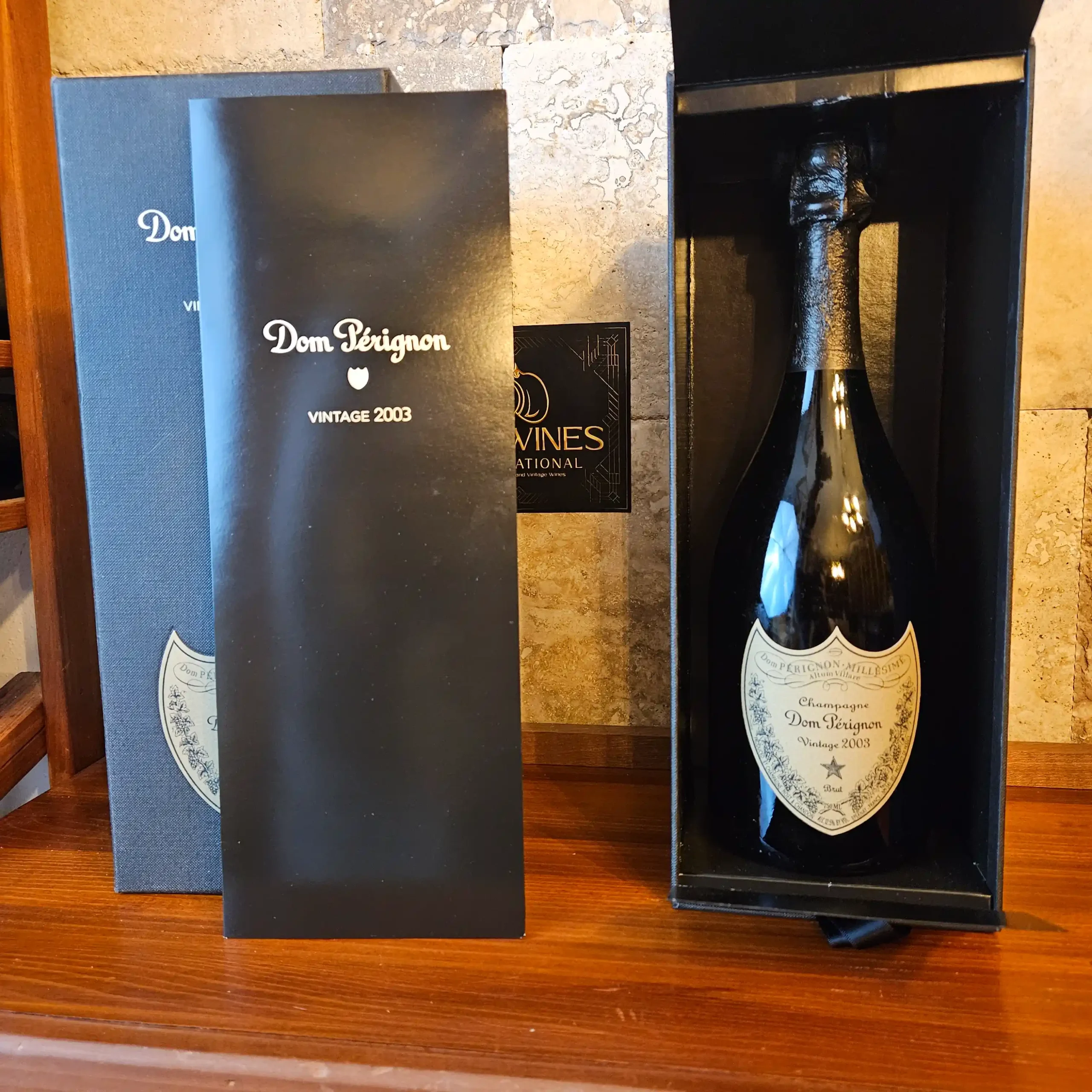
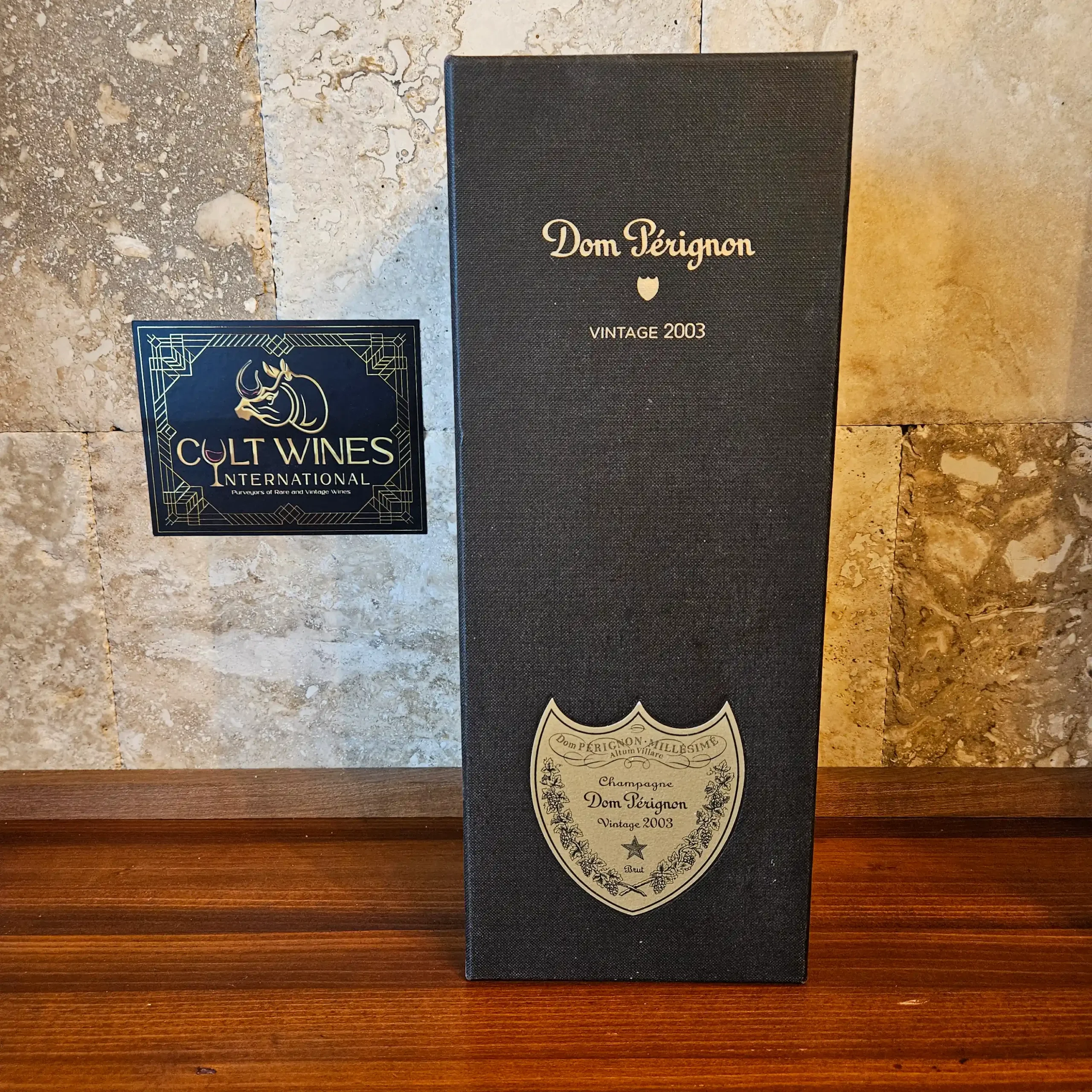
Outstanding condition, as shown.


